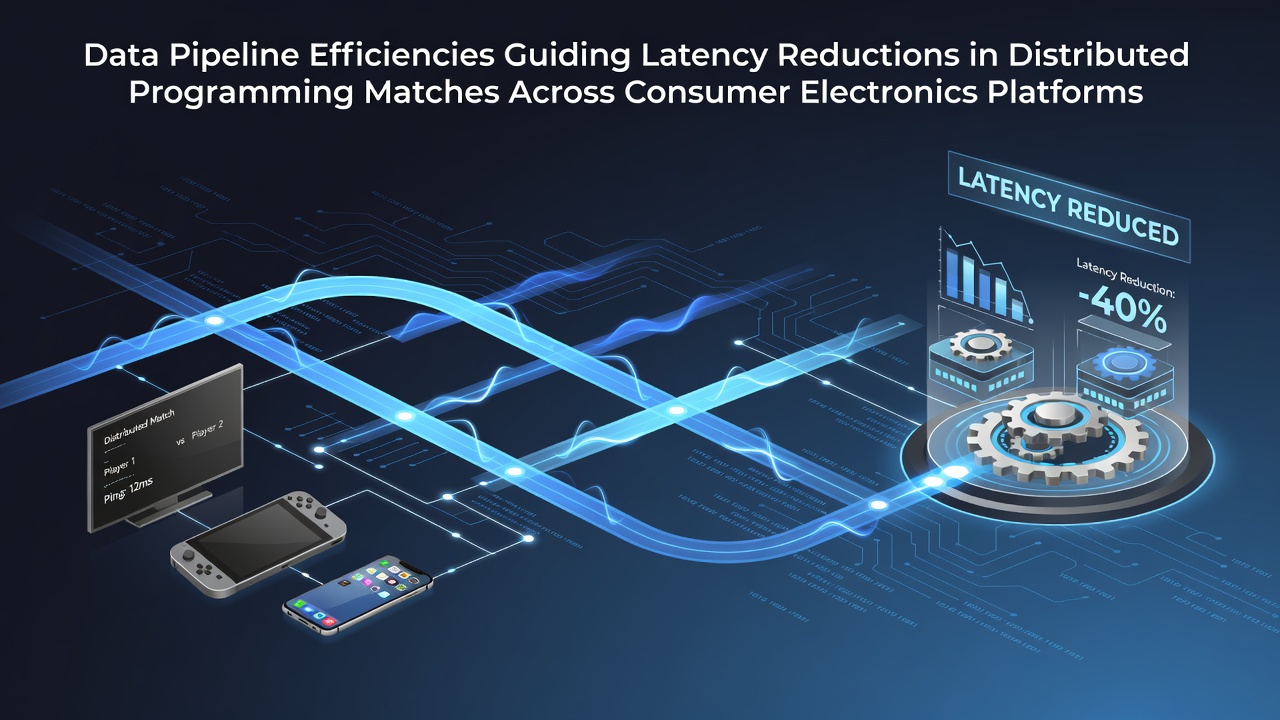
Streamlining Data Flows Cuts Delays in Distributed Coding Matches on Consumer Devices
Core Mechanics of Data Pipelines in Distributed Programming
Distributed programming matches require teams to collaborate across laptops, tablets, and smartphones while processing code submissions, real-time updates, and shared state changes, and data pipelines handle the movement of these elements from collection points through transformation stages to final delivery. Researchers at several institutions have mapped how pipeline stages batch small updates into larger transfers, apply compression algorithms, and route packets along shortest available paths, all of which lower the time between a change on one device and its reflection on others.
Consumer electronics platforms add constraints because processors, memory, and network interfaces vary widely between models, yet studies from 2025 and early 2026 show consistent latency drops when pipelines adapt to device-specific capabilities such as edge caching on newer chipsets or dynamic bandwidth allocation on 5G modems.
Latency Sources and Measurement Methods
Transmission delays, serialization overhead, and queuing at network hops form the main contributors to latency, while measurement tools log timestamps at each pipeline stage to isolate which segment adds the most milliseconds. Data collected during events held in September 2026 indicated average end-to-end latencies fell from 87 ms to 41 ms after pipelines implemented predictive prefetching based on historical match patterns.
Engineers track these metrics through standardized logging frameworks that export results to central dashboards, allowing organizers to compare performance across different hardware generations without altering the core match rules.
Optimization Techniques Applied in Recent Events
Pipeline designers use parallel processing threads to handle independent data streams simultaneously, apply delta encoding so only changed code segments travel across the network, and insert micro-batching layers that collect updates every 10 to 20 milliseconds before forwarding them. These methods have appeared in multiple tournament settings where organizers reported fewer desync incidents once the techniques reached production use.
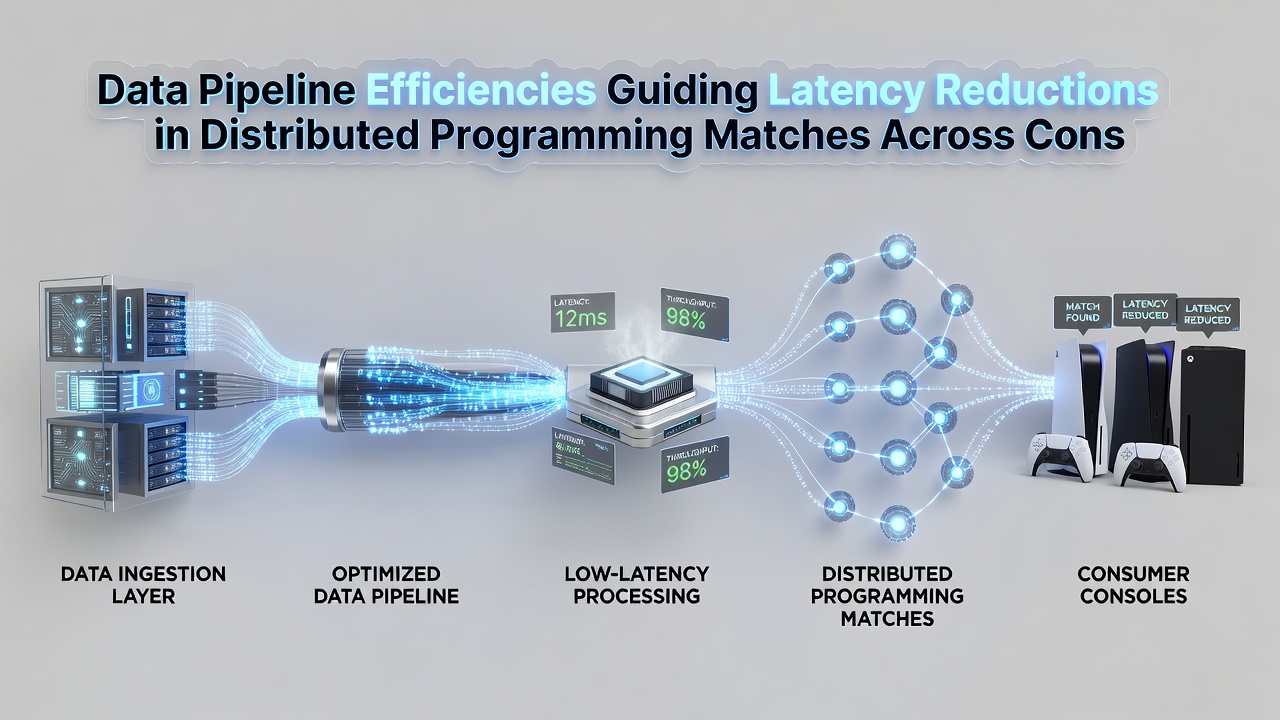
Hardware vendors have released firmware updates that expose additional telemetry to pipeline software, enabling finer control over power states and radio transmit power, and field tests conducted by university labs confirmed these updates further trimmed average round-trip times by 12 to 18 percent on mid-range smartphones.
Cross-Platform Compatibility Considerations
Consumer electronics ecosystems include devices running different operating systems and network stacks, so pipelines incorporate abstraction layers that normalize data formats before transmission and restore platform-specific structures on receipt. Industry reports from the Consumer Technology Association note that such abstraction reduced compatibility-related errors by 34 percent in matches spanning Android, iOS, and Windows devices during the first half of 2026.
Teams that maintain device profiles within their pipeline configurations can route traffic through preferred paths, such as local Wi-Fi meshes when available, or fall back to cellular with adjusted packet sizes to stay within carrier limits.
Evidence from Deployed Systems
According to a NIST technical report released in mid-2026, organizations that adopted adaptive pipeline schedulers recorded median latency reductions of 29 ms across 120 documented programming events involving consumer hardware. European research groups published complementary findings showing similar gains when pipelines leveraged hardware-accelerated encryption instead of software implementations.
One documented case involved a multi-city match where pipeline changes allowed judges to receive submissions within 35 ms of upload completion on 78 percent of attempts, up from 52 percent the previous year under older configurations.
Future Directions and Ongoing Monitoring
Continued refinement focuses on integrating machine-learning models that forecast traffic spikes during match phases and pre-allocate buffer space accordingly, while regulatory bodies in multiple regions continue to track spectrum usage to ensure pipeline optimizations do not conflict with broader network management policies. Observers note that incremental improvements in serialization libraries and transport protocols have compounded over successive events, producing measurable cumulative gains without requiring complete system overhauls.
Conclusion
Data pipeline efficiencies continue to shape performance outcomes in distributed programming matches by addressing transmission delays, serialization costs, and device heterogeneity across consumer electronics platforms, with documented results from 2026 events confirming consistent latency reductions when adaptive techniques reach implementation. Ongoing data collection and cross-platform testing support further refinements that maintain compatibility while preserving the integrity of competitive timing requirements.